carsparefinder.co.uk
  • About

Suspension

If you’ve ever driven over a pothole and barely felt it, you’ve got decades of suspension engineering to thank. Car suspension systems have evolved dramatically — from crude leaf springs bolted to a solid axle, to AI-powered systems that read the road before your tyres even touch it. And the journey in between is genuinely fascinating.

From Leaf Springs to Independent Suspension

Early motor cars borrowed their suspension directly from horse-drawn carriages — simple leaf spring setups made from layered steel strips. They worked, but only just. The real turning point came in 1906, when the Brush Two-Seat Runabout became the first car fitted with front coil springs and shock absorbers on a flexible axle — a pairing we still rely on today. Then in 1934, General Motors took things further by introducing independent coil spring front suspension, where each wheel moved separately rather than as a paired axle. That single innovation changed the industry overnight, dramatically reducing the bouncing and instability that plagued earlier designs.

By the 1950s, independent suspension on all four wheels became an increasingly common goal, and by the 1970s and 80s, it had moved from luxury vehicles into mainstream cars. The benefit was clear: better tyre contact with the road, improved cornering, and a far more comfortable ride.

The Rise of Active and Air Suspension

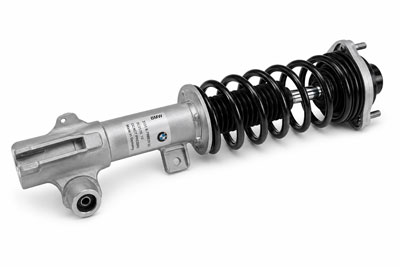
Coil springs and passive dampers dominated for decades, but engineers always wanted more control. Enter air suspension — steel springs replaced with pressurised airbags that can be raised, lowered, or stiffened via a compressor. Drivers gained the ability to tune ride height and stiffness on the fly. Then came adaptive and semi-active dampers, which use real-time sensor inputs to adjust damping force within milliseconds — no driver input needed.

The table below captures how suspension technology has evolved across key eras:

Era Suspension Type Key Material Notable First
Pre-1900s Leaf Spring Layered steel Horse carriage derived
1906 Coil Spring + Shock Absorber Steel/rubber Brush Two-Seat Runabout
1934 Independent Front Suspension Steel coil General Motors
1950s–70s Four-wheel Independent Steel/alloy Widespread adoption
1980s–90s Air Suspension Rubber airbag + steel Luxury & SUV vehicles
2000s–10s Semi-Active / Adaptive Dampers Aluminium + electronics Magnetorheological fluid dampers
2015–present Fully Active + Predictive AI Carbon fibre, composites Electromechanical actuators

Smart Suspension in the Modern Age

Today’s cutting edge goes well beyond springs and dampers. Predictive suspension systems use forward-facing cameras and sensors to analyse road conditions ahead and pre-adjust the suspension before the wheel reaches the bump — a shift from reactive to genuinely anticipatory technology. Fully active systems use electromechanical actuators to control every aspect of suspension movement, essentially flattening out the road in real time.

Manufacturing has kept pace too. Modern suspension components increasingly use carbon fibre composites and precision-cast aluminium — lighter and stronger than the heavy steel of old — while 3D printing is now accelerating prototyping cycles and enabling tighter tolerances in component fitment.

The goal has never really changed: keep the tyres on the road, protect the occupants, and make driving feel effortless. What has changed is the sophistication with which engineers achieve it. From a flexible axle and a couple of leaf springs to an AI-networked system reading tarmac in real time, car suspension has quietly become one of the most impressive chapters in automotive history — and one that’s far from finished.

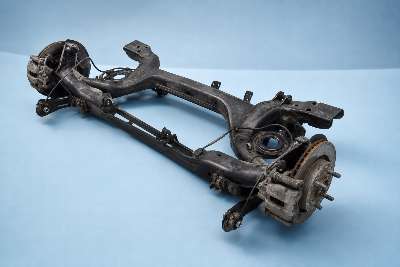
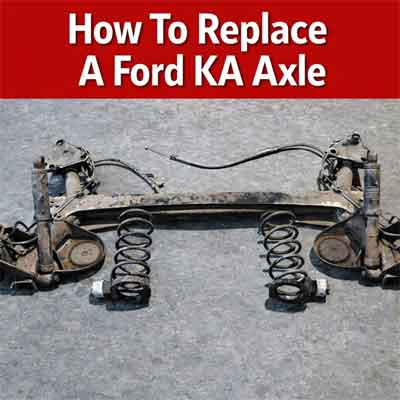
Ford Ka Axle Replacemnt
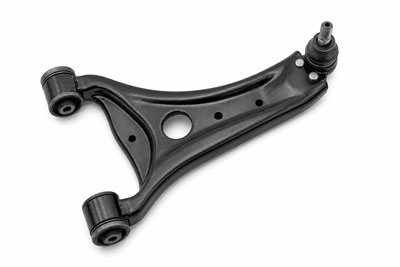
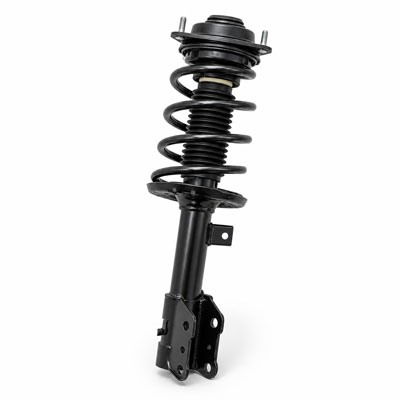
Ford Ka Suspension

How to Replace The Rear Axle On A Mk2 Ford KA

Ford Ka Axle MK2 First off, know this: your Ka’s solid rear axle is a simple, robust piece of engineering. It’s not independent like in some fancier cars, meaning it’s a single unit. This keeps costs down and is generally very reliable… except for the “R” word. The primary enemy Read more

By admin, 4 monthsDecember 22, 2025 ago

All Content Is For Reference Purposes Only: Please Seek Professional Advice Before Starting Any Work On Your Vehicle!


  • About
Hestia | Developed by ThemeIsle